Homes For Sale In Downtown Ottawa — Your 2026 Guide
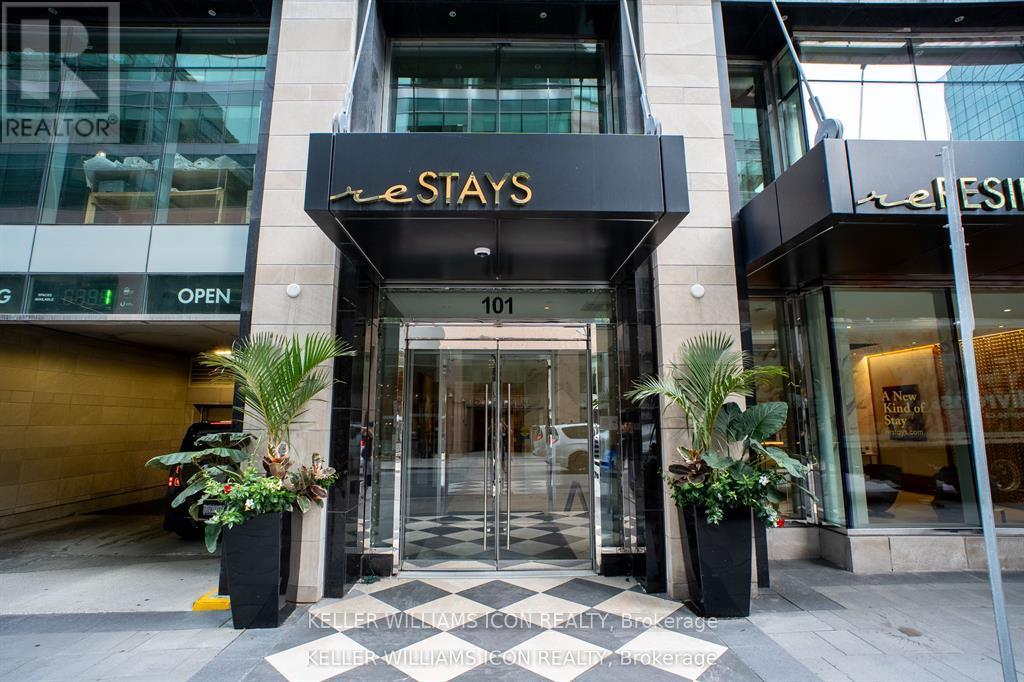
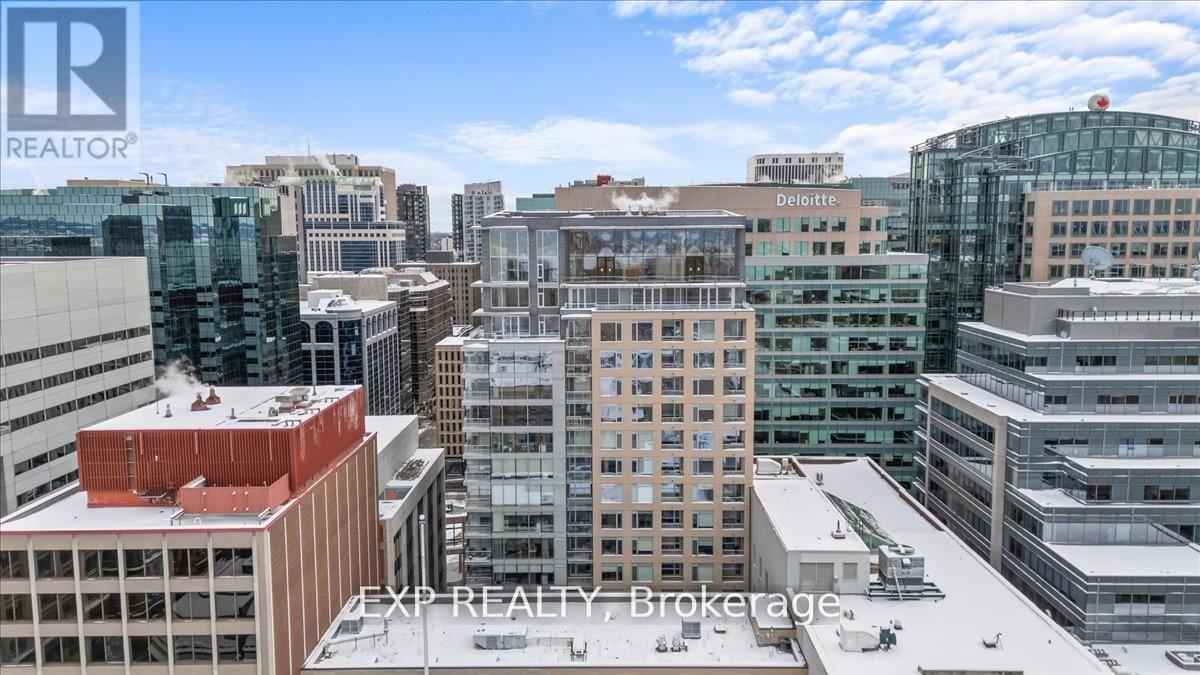
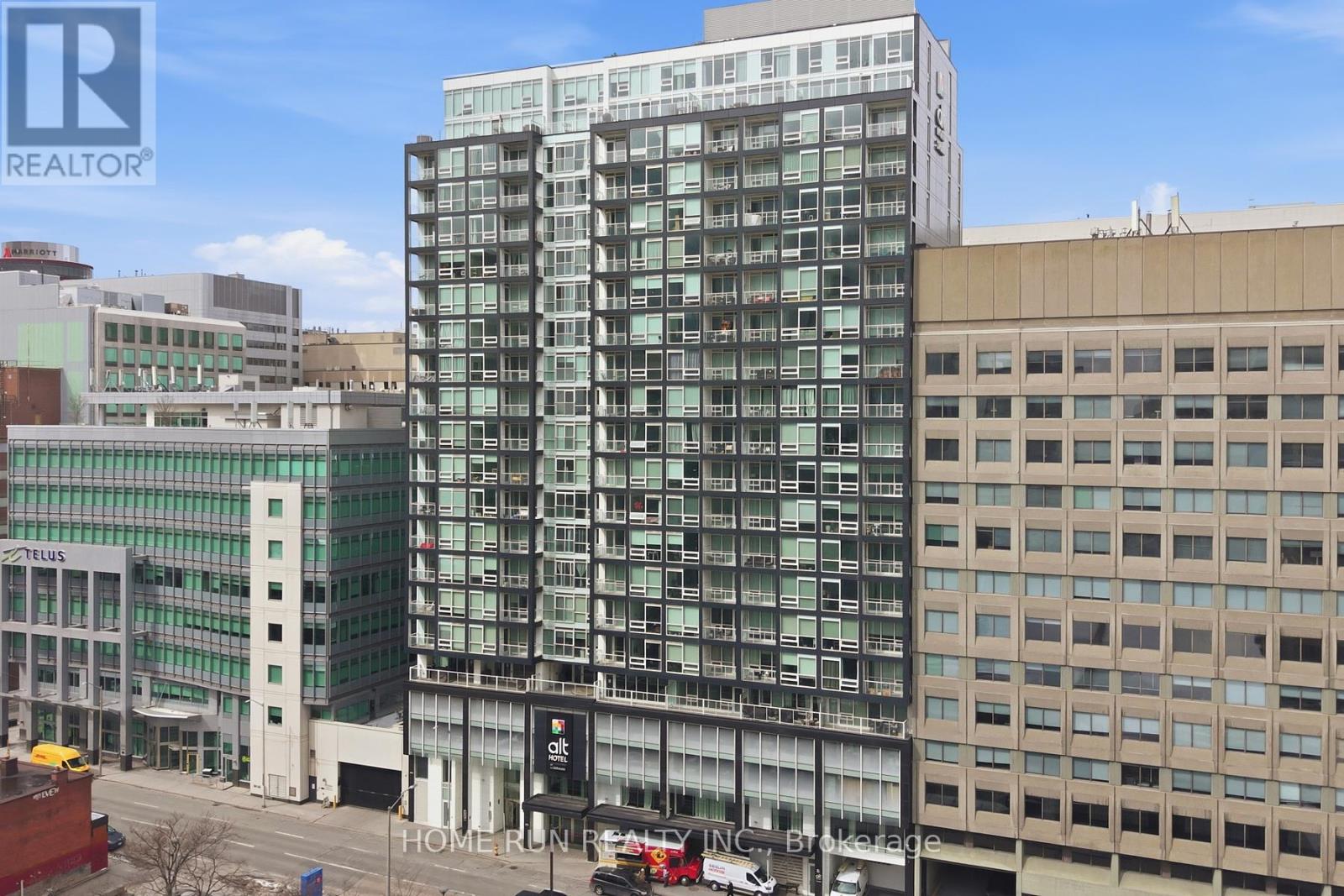
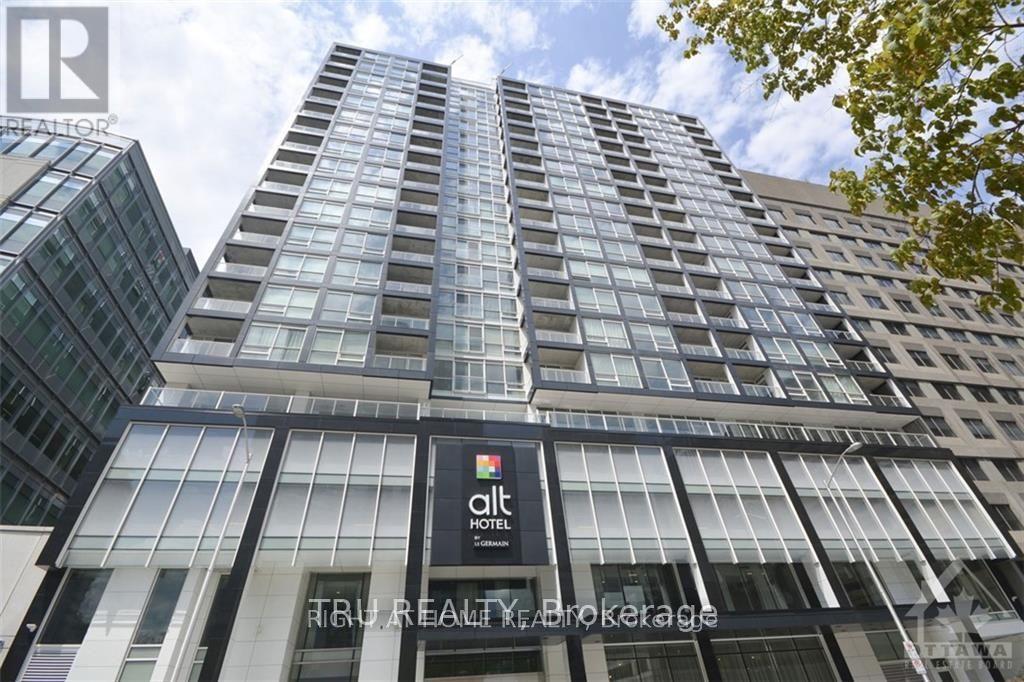
Downtown Ottawa remains Canada’s most liveable urban core in 2026. Specifically, it is a walkable, bikeable, and transit-connected city centre. Parliament Hill, the Rideau Canal, and the ByWard Market define daily life here. From the heritage townhouses of Centretown to the luxury condos of the Golden Triangle, downtown Ottawa offers the widest range of urban housing in the region. In addition, the ByWard Market features converted lofts. Whether you are a young professional walking to a federal government job or a downsizing boomer trading suburban maintenance for condo convenience, downtown delivers. Likewise, investors target the highest rental demand density in Ottawa here. As a result, downtown offers walkability, culture, and the best transit access in the National Capital Region.
Real Estate Market — Spring 2026 Snapshot
- Condo apartment (avg): $450,000–$650,000
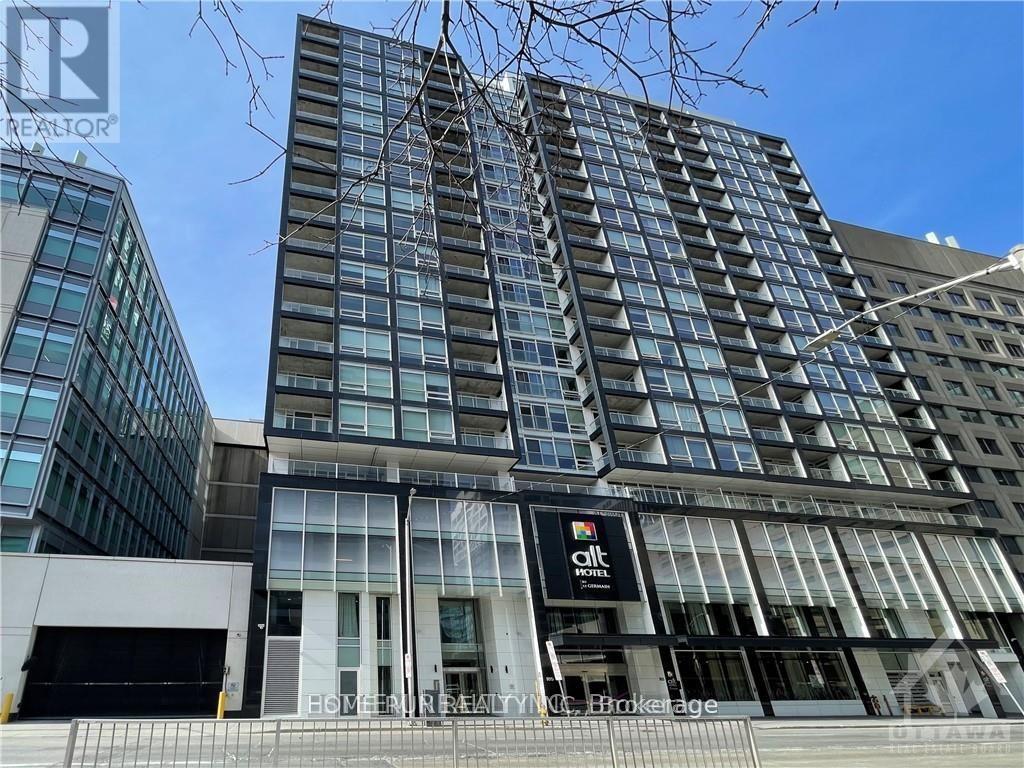
- Luxury condo (Golden Triangle): $700,000–$1,800,000
- Heritage townhouse: $750,000–$1,500,000
- Active listings: 597 homes (Aug 2026)
- Days on market: 15–30 days depending on price point
Why Buyers Are Choosing This Area in 2026
Downtown Ottawa is where the jobs, culture, and transit converge. For instance, the LRT Confederation Line runs east-west through the core. Stations sit at Lyon, Parliament, Rideau, and uOttawa. In addition, the new O-Train north-south line connects downtown to Billings Bridge and South Keys. The ByWard Market, Elgin Street, and Bank Street provide Ottawa’s best dining and nightlife. Moreover, the Rideau Canal skateway, Ottawa River pathway, and dozens of parks make downtown surprisingly green. Employment anchors include Parliament Hill, federal government departments, Shopify HQ, and Kanata North’s tech shuttle corridor. For investors, downtown condos offer the highest rental demand and best cap rates in Ottawa. Specifically, these range from 4.5–6% depending on building age and location. Furthermore, the downtown population has grown 18% since 2021. As a result, demand for both rental and ownership stays continuous.
Neighbourhoods We Are Watching in 2026
- Centretown: Ottawa’s largest downtown neighbourhood. Heritage homes, mid-rise condos, Elgin Street dining. $500K–$1.2M.
- Golden Triangle: Prestige addresses between the Canal and Elgin. Luxury condos and executive townhouses. $650K–$1.8M.
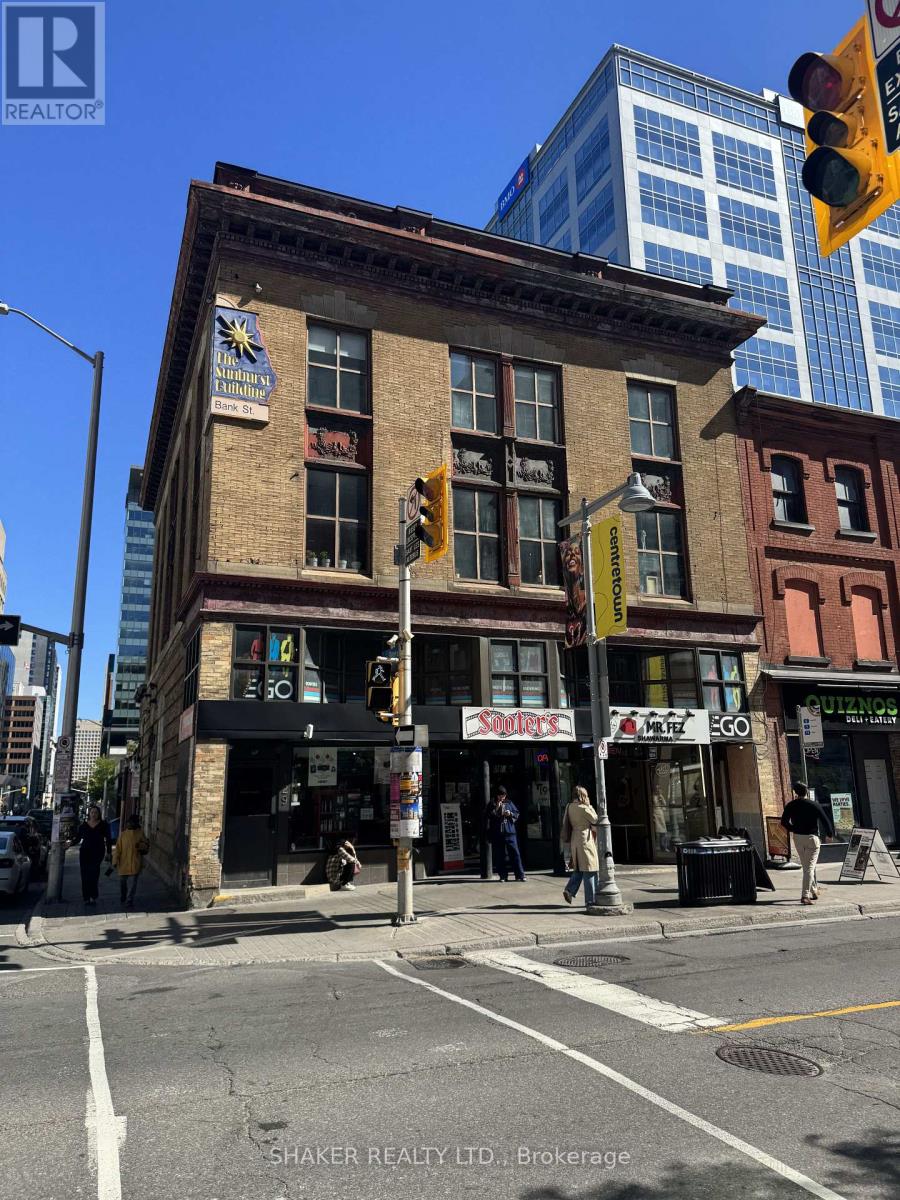
- ByWard Market / Lowertown: Vibrant market district. Loft conversions, new-build condos, heritage walkups. $400K–$900K.
- Sandy Hill: Embassy row near uOttawa. Character homes, quiet streets, university proximity. $600K–$1.3M.
- LeBreton Flats: Ottawa’s fastest-changing neighbourhood. Massive new library, future development. $500K–$850K.
Buying a Home Here — What to Know
Condo fees are the hidden cost of downtown living. Specifically, budget $0.55–$0.95 per square foot per month for buildings with amenities. Older buildings (pre-2000) may carry lower fees. However, they carry higher special assessment risk. In addition, the downtown rental market is extremely competitive. Well-priced condos rent within days. For condo investors, look for buildings with healthy reserve funds, low vacancy rates, and proximity to LRT stations. Heritage homes require careful budgeting for maintenance. In particular, century homes need ongoing work. Parking is at a premium downtown. Therefore, expect $50K–$100K extra for a parking spot in new-build condos. For first-time buyers, the ByWard Market and Sandy Hill offer the best entry points under $500K for studio and one-bedroom condos.
My service is FREE for buyers and investors — I receive payment from the seller. Send your wish list to [email protected] with your preferred location, budget, and must-haves.
TRY OUR HOME SEARCH ENGINE →